
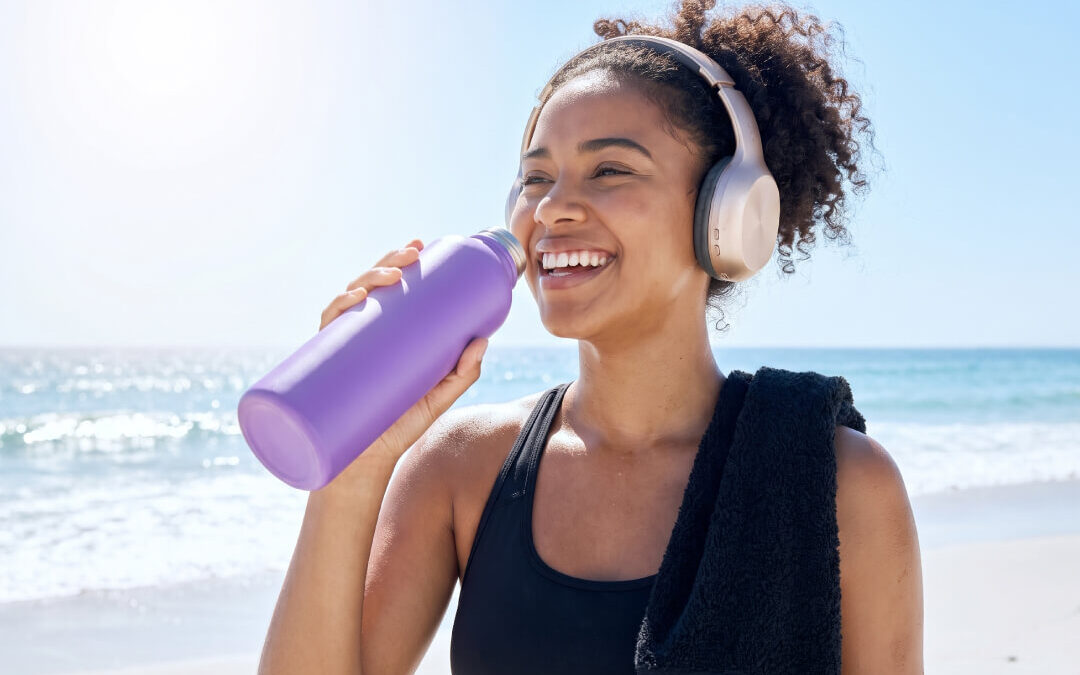
Hot Caribbean days can be beautiful, but they can ask a lot from your body. During the warmest part of the year, outdoor work, beach days, sports, walking, errands and daily sweat can make hydration and energy harder to manage.
Staying well does not mean drinking water once you feel thirsty. It means building a simple routine with fluids, electrolytes, meals, protein, recovery and smart timing.
Why are August and September the Hottest Months in the ABC Islands?
In the ABC Islands, late summer can feel especially hot. Climate records show that September is often one of the warmest months, and August can bring strong heat periods too.
Warm temperatures, strong sun, dry conditions and outdoor activity can make the body work harder to cool down. This can affect energy, focus, muscle comfort and recovery.
During this season, hydration should be part of your daily wellness routine, especially if you:
- Work outdoors
- Exercise in the heat
- Spend long days at the beach
- Walk often during the day
- Sweat heavily
- Travel or do many activities outside
- Work in busy, warm environments
Water vs. Electrolytes: What Does Your Body Really Need in Extreme Heat?
Water is always the foundation. For regular days, water plus balanced meals may be enough for many people.
Electrolytes become more useful when heat, sweat and activity increase. Sweat contains water and minerals, including sodium, potassium and magnesium. When sweating lasts for hours, your body may need help replacing both fluids and minerals.
Think of it this way:
| Situation | What may help |
| Normal indoor day | Water and balanced meals |
| Beach day with sweat | Water plus electrolyte support |
| Outdoor work | Regular fluids and electrolytes when sweating heavily |
| Exercise under the sun | Water before, during and after activity |
| Long activity over 1 hour | Electrolytes may be useful |
| Heavy sweat or cramps | Rest, fluids and electrolyte support may help |
At Nature’s Discount, options to ask about may include EV Electrolyte and Trace Minerals ZeroLyte, available in drink mix or stick pack formats depending on availability.
Want more hydration tips for everyday heat and sweat? Read our guide: Hydration in Aruba: Why Electrolytes Are Not Just for Athletes
What are the Signs of Dehydration You Shouldn’t Ignore?
Dehydration can start quietly. You may feel “off” before you realize you need fluids.
Common signs can include:
- Thirst
- Dry mouth
- Headache
- Fatigue
- Dizziness
- Muscle cramps
- Dark urine
- Less frequent urination
- Fast heartbeat
- Feeling weak or overheated
Take symptoms seriously in extreme heat. Move to shade or a cooler place, sip fluids and rest. Seek medical help right away if someone has confusion, fainting, vomiting, chest discomfort, very high body temperature or symptoms that do not improve.
How to Rehydrate Fast After Exercising in the Heat
After exercise in hot weather, your body may need time to replace what was lost through sweat. Start early and keep it steady.
A simple rehydration plan:
- Move to a cooler place.
- Sip water slowly.
- Use electrolytes if sweating was heavy or activity lasted longer.
- Eat a light meal or snack with minerals, carbs and protein.
- Rest before returning to heat.
- Watch for dizziness, headache or unusual weakness.
Avoid drinking a very large amount at once. Smaller amounts, taken more often, can feel better and may support hydration more comfortably.
Best Natural ways to Boost Energy Without Extra Caffeine
Caffeine can help some adults feel alert, but it is not the only way to support energy. During hot months, too much caffeine without enough water, food or rest can make some people feel jittery or more tired later.
For steadier energy, try:
- Drinking water early in the day
- Adding electrolytes when sweating heavily
- Eating breakfast with protein and fiber
- Taking short movement breaks
- Getting sunlight earlier, not during peak heat
- Planning harder tasks earlier in the morning
- Keeping bedtime more consistent
- Limiting heavy meals before outdoor activity
Adults looking for daily energy support may ask about Once-Daily High-Energy Caps, where available. This type of product should fit your routine, label directions and health needs.
Why Protein Matters for Energy and Muscle Recovery in Summer
Hydration is only one part of summer wellness. Nutrition matters too. Protein helps support muscle recovery, satiety and daily strength, especially for people who exercise, work active jobs or spend long days moving.
Protein can help after:
- Gym workouts
- Outdoor sports
- Long walks
- Active work shifts
- Heavy errands
- Beach workouts
- Strength training
At Nature’s Discount, adults may ask about options such as:
- Rule 1 R1 Whey Isolate Protein Powder for protein support after activity
- Rule 1 Creatine Powder for strength and muscle performance routines
- Ancient Nutrition Creatine + Collagen + Electrolytes Stick Packs for a combined option with creatine, collagen and electrolytes
Creatine can support muscle energy during short bursts of effort. Protein supports recovery and muscle maintenance. Electrolytes support hydration balance. Together with food, water and rest, these can help active adults build a better hot-weather routine.
Want more strength and recovery tips? Read our guide: Creatine Is For More Than Bodybuilders: Energy, Strength And Healthy Aging
Checklist: A Simple Daily Hydration Routine for Hot Climates
Use this checklist during the hottest weeks of the year.
- Start the morning with water.
- Eat a balanced breakfast with protein.
- Carry a water bottle when leaving home.
- Drink before you feel very thirsty.
- Add electrolytes during heavy sweat, outdoor work or long activity.
- Exercise early morning or later afternoon when possible.
- Rehydrate after beach time, workouts or outdoor work.
- Eat mineral-rich foods like fruits, vegetables, beans, nuts and seeds.
- Watch urine color and energy levels.
- Rest in shade or air conditioning when heat feels intense.
For people working in heat, small amounts often are better than waiting and drinking a lot later.
Before Choosing a Supplement
Speak with a healthcare professional if you have kidney disease, heart disease, blood pressure concerns, fluid restrictions, take medication, are pregnant, nursing or have symptoms of heat illness. Use supplements as directed and keep them away from children.
Frequently asked questions (FAQ)
How much water should I drink per day in extreme heat?
Needs vary by body size, sweat level, activity and health status. In hot working conditions, public health guidance often suggests about 8 oz of water every 15 to 20 minutes, without exceeding safe hourly intake. For personal guidance, ask a healthcare professional.
Are electrolyte powders better than sports drinks?
Not always. Electrolyte powders can be useful when you want minerals without extra sugar. Sports drinks may help during longer activity. The best choice depends on sweat, activity length, taste, sugar preference and label directions.
Can creatine help with hydration?
Creatine helps muscles use quick energy and may support performance routines. It is not a replacement for water or electrolytes. People using creatine should keep hydration steady, especially in hot climates.
What’s the best time of day to exercise in the Caribbean heat?
Early morning or later afternoon is usually more comfortable than midday. Try to avoid peak sun, wear light clothing, drink fluids and stop if you feel dizzy, weak or overheated.
Where can I find hydration supplements and electrolytes?
You can find a variety of electrolytes, hydration supplements, and sports nutrition products at Nature’s Discount. Explore different formats and formulas to find the option that best fits your activity level, preferences, and daily needs.
Daily Hydration is a Heat-Season Habit
During the hottest months, hydration and energy support work best as a routine. Start with water, add electrolytes when sweat increases, eat enough protein, rest well and plan outdoor activity wisely.
Visit Nature’s Discount to ask about electrolyte, protein, creatine and energy-support options that may fit your hot-weather routine.
*Products may vary per island.

