
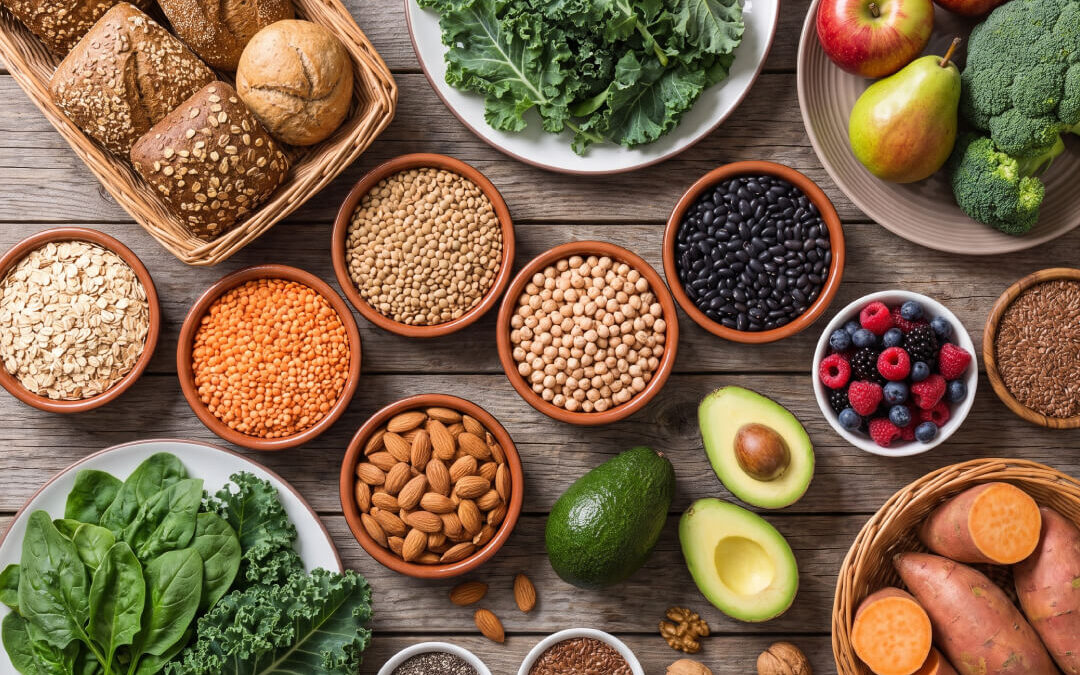
Protein gets a lot of attention in wellness routines, but fiber deserves a place in the same conversation. After 40, fiber can support digestive wellness, daily fullness, meal balance and healthier eating patterns.
For adults 40+, the goal is not to chase quick fixes. The goal is to build a simple routine that supports gut health, helps you feel satisfied and fits real life.
When Fiber Support Matters After 40
- Fiber supports digestive regularity and gut wellness.
- Fiber-rich meals can help you feel satisfied for longer.
- Prebiotics, psyllium, chia, flaxseed, greens and probiotic foods can support a gut-friendly routine.
- Fiber works best when increased slowly and paired with enough water.
- A balanced plan should include fiber, protein, movement, hydration and consistent meals.
Why Fiber Deserves More Attention After 40
After 40, many people start paying closer attention to energy, digestion, appetite, body composition and daily wellness. Fiber can help support several of these areas through one simple habit: eating more plant-based, fiber-rich foods.
Fiber is found in foods like vegetables, fruits, beans, lentils, oats, chia, flaxseed, greens, nuts and seeds. It can help support regular digestion and make meals feel more satisfying.
A fiber-focused routine does not replace protein. It works with protein. Together, fiber and protein can make meals feel more complete.
When Might You Need More Fiber Support?
You may benefit from more fiber support if your meals feel too light, your appetite returns quickly after eating or your routine is low in vegetables, fruits, legumes and seeds.
Fiber support may be useful when:
- You rarely eat vegetables or fruits during the day.
- You feel hungry soon after meals.
- Your meals are mostly refined carbs or snacks.
- Your digestion feels irregular.
- You want better meal balance after 40.
- You are working on weight goals and want meals that feel more satisfying.
- You want a gut-friendly routine but do not know where to start.
A good first step is not adding everything at once. Start with one meal, one fiber source and enough water.
How Does Fiber Support Gut Health?
Fiber supports gut health by helping the digestive system maintain a more regular rhythm. Certain fibers add bulk, some help soften stool and some act as prebiotics that feed beneficial gut bacteria.
A gut-friendly routine can include:
- Vegetables and leafy greens
- Fruits with skin when tolerated
- Beans and lentils
- Oats and whole grains
- Chia seeds
- Ground flaxseed
- Psyllium
- Fermented foods with probiotics
The best gut routine is steady, simple and gradual. Too much fiber too fast can cause gas, bloating or discomfort.
Why Fiber Matters For Fullness And Weight Goals
Fiber can help meals feel more satisfying. Some types of fiber slow digestion, add volume to meals and help you feel full for longer.
This can practically support weight goals. It is not about extreme restriction. It is about building meals that help you feel satisfied with better food choices.
Try building meals around:
- Protein for muscle support and satiety
- Fiber-rich vegetables or greens
- Healthy fats in moderate amounts
- Slow-digesting carbohydrates
- Water or unsweetened drinks
For example, a meal with eggs, greens and chia pudding may feel more satisfying than coffee and a pastry alone. A bowl with chicken, beans, vegetables and avocado may support fullness better than a refined snack meal.
Prebiotics, Psyllium, Chia, Flaxseed And Greens: What Do They Do?
Different fiber sources can support your routine in different ways.
| Fiber source | How it supports daily wellness |
| Prebiotics | Feed beneficial gut bacteria and support a healthy gut environment. |
| Psyllium | Adds soluble fiber and can support digestive regularity. |
| Chia seeds | Add fiber, texture and healthy fats to meals or snacks. |
| Ground flaxseed | Adds fiber and plant-based omega-3 fats. |
| Greens | Add fiber, minerals and plant nutrients to meals. |
| Beans and lentils | Add fiber, plant protein and fullness support. |
| Oats | Add soluble fiber and work well in simple breakfasts. |
A varied routine is better than depending on one source. For adults 40+, this can make fiber easier to maintain without getting bored.
What Is The Difference Between Prebiotics And Probiotics?
Prebiotics and probiotics are connected, but they are not the same.
- Prebiotics are fibers that help feed beneficial bacteria in the gut.
- Probiotics are live microorganisms found in certain foods or supplements.
- Fiber-rich foods can help create a better environment for gut bacteria.
- Fermented foods like yogurt, kefir, sauerkraut or kimchi may add probiotic support, depending on the product.
A common mistake is focusing on probiotics but forgetting fiber. A gut-friendly routine usually needs both beneficial microbes and the fibers that help nourish them.
How Can You Add More Fiber Without Overdoing It?
The best way to increase fiber is slowly. Your digestive system may need time to adjust.
Try this simple routine:
| Time of day | Easy fiber habit |
| Breakfast | Add chia, oats, berries or ground flaxseed. |
| Lunch | Add greens, beans, lentils or extra vegetables. |
| Snack | Choose fruit, nuts, seeds or a fiber-rich smoothie. |
| Dinner | Fill part of the plate with vegetables or legumes. |
| Hydration | Drink water through the day as fiber intake increases. |
Start with one change for a few days. Then add another. This makes the routine easier on digestion.
Fiber And Gut Support Options To Discuss At Nature’s Discount
This article is a general guide, without specific product recommendations. Still, Nature’s Discount can be a helpful place to ask about fiber and gut support options that fit your lifestyle.
You can ask about:
- Psyllium fiber
- Chia seeds
- Ground flaxseed
- Greens powders
- Prebiotic options
- Probiotic options
- Digestive wellness support
- Fiber-friendly nutrition ideas for adults 40+
The best option depends on your current diet, digestion, hydration, health history and personal goals.
FAQ: Fiber, Gut Health And Weight Goals After 40
- Is fiber really as useful as protein after 40?
Fiber and protein support different needs. Protein supports muscle maintenance and satiety. Fiber supports digestive wellness, fullness and gut-friendly eating patterns. A strong routine can include both. - Can fiber help me feel full?
Yes. Fiber-rich foods can add volume to meals and slow digestion, which may help you feel satisfied for longer. - What is the easiest fiber habit to start with?
Add one simple fiber source daily, such as chia seeds, ground flaxseed, oats, berries, greens or beans. - Are prebiotics and probiotics the same?
No. Prebiotics are fibers that feed beneficial gut bacteria. Probiotics are live microorganisms found in certain foods or supplements. - Can psyllium support gut health?
Psyllium is a soluble fiber that can support digestive regularity when used with enough water and as directed. - Should I take a fiber supplement or eat more fiber foods?
Food is a strong starting point. Fiber supplements can be useful for some people, but they should fit your routine and be used with enough water. - Can too much fiber cause discomfort?
Yes. Adding fiber too fast may cause gas, bloating or digestive discomfort. Increase gradually.
One Fiber Habit Can Support a Better Daily Routine
After 40, fiber can become one of the simplest ways to support gut health, fullness and smarter weight goals. The goal is not to make your routine complicated. Start with one fiber habit, stay consistent and build meals that help you feel nourished.
Visit Nature’s Discount to ask about general fiber, gut health and digestive wellness support for your daily routine.
*Product availability may vary per island

