

Stress and sleep often get treated as separate issues, yet they shape each other every single day. When stress stays high, rest becomes lighter, routines fall apart, and even the best intentions fade fast.
This article looks at simple ways to reset both at the same time. You’ll find practical habits, clear explanations of popular natural supports, and guidance to help you build calmer days and more restful nights that actually fit real life.
1. The Stress-Sleep Connection: The Real Reason Routines Fail
2. How to Build a Bedtime Routine for Deeper Sleep
3. Ashwagandha and Magnesium: What Are They Good For?
4. 5 Facts About Stress and Sleep You Should Know
5. FAQs About Better Sleep and Stress Support
Keep reading to learn how small daily shifts and natural supports can help you feel calmer, sleep better, and stick to healthier routines without adding pressure.
Each section is practical, easy to follow, and designed for real schedules and real lives.
1. The Stress-Sleep Connection: The Real Reason Routines Fail
Stress and sleep are tightly linked. When the mind stays alert during the day, the body often struggles to slow down at night. This leads to lighter sleep, frequent waking, or trouble falling asleep, even when bedtime routines look “right” on paper. Over time, poor rest raises stress levels the next day, creating a loop that quietly breaks healthy habits.
Many routines fail for this exact reason. People try to fix sleep only at night, without easing the pressure carried through the day. Late caffeine, nonstop notifications, skipped breaks, and mental overload all signal the body to stay on high alert. At bedtime, that same alertness shows up as racing thoughts and restless sleep.
The most sustainable routines work from both ends. Lowering daily stress supports deeper rest, and better sleep improves resilience the next day. Once this connection is clear, routines stop feeling like another task and start feeling like support.
Learn more about the benefits of a calm mind in our article: Find Your Inner Peace: Natural Alternatives to Relieve Stress & Anxiety.
2. How to Build a Bedtime Routine for Deeper Sleep
A good bedtime routine helps the body shift from alert mode into rest mode. It works best when it feels predictable and calming, not strict or complicated. The focus is on repetition, not perfection.
A simple structure for a supportive night routine:
- Keep bedtime and wake-up time steady
Going to bed and waking up around the same time trains the body to expect sleep, making it easier to fall asleep naturally. - Lower stimulation in the evening
Dim lights, reduce screen brightness, and step away from intense content at least an hour before bed to help the mind slow down. - Create a clear wind-down window
Set aside 15 to 30 minutes for quiet activities such as reading, gentle stretching, or listening to calm audio. - Watch evening intake
Heavy meals, alcohol, and late caffeine can interfere with sleep quality even if they do not stop sleep completely. - Make the bedroom a rest space
A cool, dark, and quiet environment signals safety and comfort to the nervous system. - Reset if sleep doesn’t come
If the mind stays active after about 20 minutes, getting out of bed briefly for a calm activity can reduce frustration and help sleep return more easily.
When the routine feels familiar and soothing, sleep often follows more naturally, night after night.
3. Ashwagandha and Magnesium: What Are They Good For?
Natural supports are often added to routines to help the body handle stress more smoothly and ease the transition into rest. Each option serves a different role, which is why some people use one during the day and another in the evening. Knowing what each one is commonly used for helps set clear and realistic expectations.

Ashwagandha (KSM-66)
Ashwagandha is an adaptogenic herb widely used to support stress balance. KSM-66 is a standardized extract often chosen for its consistency. Many people include it during the day or early evening to help reduce feelings of mental overload and support a steadier mood during demanding periods.

Ashwagandha Gummies
Gummies offer the same type of stress support in a more approachable format. They are often preferred by people who dislike capsules or want something easier to remember during the day. The purpose stays the same: support stress balance without feeling sedated.

Magnesium Glycinate
Magnesium glycinate is commonly chosen for evening routines. It is associated with relaxation and is often used to help the body release tension before bed. People who feel physically restless, tight, or mentally wired at night may include it as part of their wind-down routine.
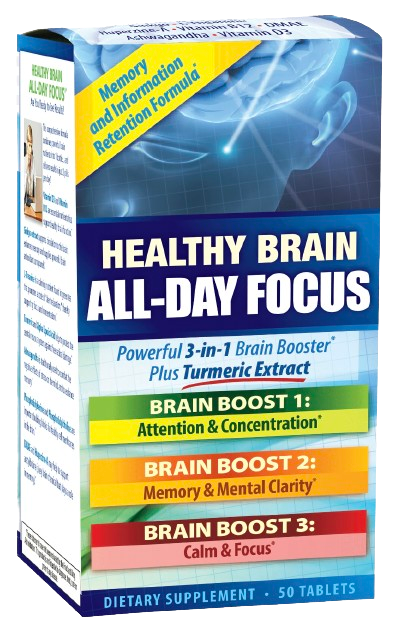
Brain and Focus Formulas
Focus blends are designed for daytime use. They are typically taken in the morning or early afternoon to support mental clarity and concentration. These formulas are best kept separate from sleep routines and used earlier in the day.
If you want more ways to stay focused and keep your brain in top form, read our article: Sharpen Your Focus: The Benefits of Brain Health Supplements.
Below is a simple comparison showing how these options are commonly used in daily life.
| Natural Support | Common Time of Use | Main Purpose | Best Fit For |
| Ashwagandha (KSM-66) | Morning or early evening | Stress balance and emotional steadiness | Ongoing stress and busy schedules |
| Ashwagandha Gummies | Daytime | Stress support in chewable form | People who prefer gummies |
| Magnesium Glycinate | Evening or before bed | Relaxation and tension release | Difficulty winding down |
| Brain / Focus Formulas | Morning or early afternoon | Mental clarity and focus | High-demand workdays |
When paired with consistent habits, these options can support calmer days and more restful nights without adding complexity to daily routines.
4. Five Facts About Stress and Sleep You Should Know
- Stress doesn’t turn off at bedtime
If stress stays high during the day, the nervous system often remains alert at night, even in a quiet room. - Sleep quality matters more than sleep hours
Long nights do not always equal restful sleep. Consistency and depth play a bigger role than time alone. - Daily habits shape nighttime rest
Morning light, movement, and breaks during the day influence how easily the body slows down later. - Natural supports work best with routines
Supplements and calming teas support habits, they do not replace them. Timing and consistency matter more than quantity. - Small changes stick better than big resets
One or two steady habits tend to last longer than full routine overhauls that feel hard to maintain.
5. FAQs About Better Sleep and Stress Support
1. Do I need supplements to reduce stress or sleep better?
Not necessarily. Many people start with habits alone. Natural supports are an effective option for those who want extra help alongside daily routines.
2. Can stress supplements make me feel sleepy during the day?
Most daytime stress supports are used for balance, not sedation. They are meant to support calm focus rather than cause drowsiness.
3. Is it okay to combine daytime and nighttime support?
Some people choose a daytime option for stress and an evening option for relaxation. Personal response and timing matter most.
4. How long does it take to notice changes?
Habits often show effects within days, while natural supports may take a few weeks of regular use to feel consistent benefits.
5. Where can I find calming teas and sleep-support products locally?
Nature’s Discount offers a selection of calming teas and wellness supplements for those looking to support stress management and better sleep as part of a healthier daily routine.
These answers are meant to guide, not replace professional advice. Listening to your body and choosing support that fits your lifestyle helps keep routines realistic and sustainable.
A Calmer Routine Starts with Small Choices
Building better days and more restful nights doesn’t require a full lifestyle reset. For those who want extra support, Nature’s Discount offers calming teas and wellness supplements that fit easily into everyday life.
*Products may vary per island.

